Solar Panel Cost in Pakistan 2026: Prices, Payback and Net-Metering Savings
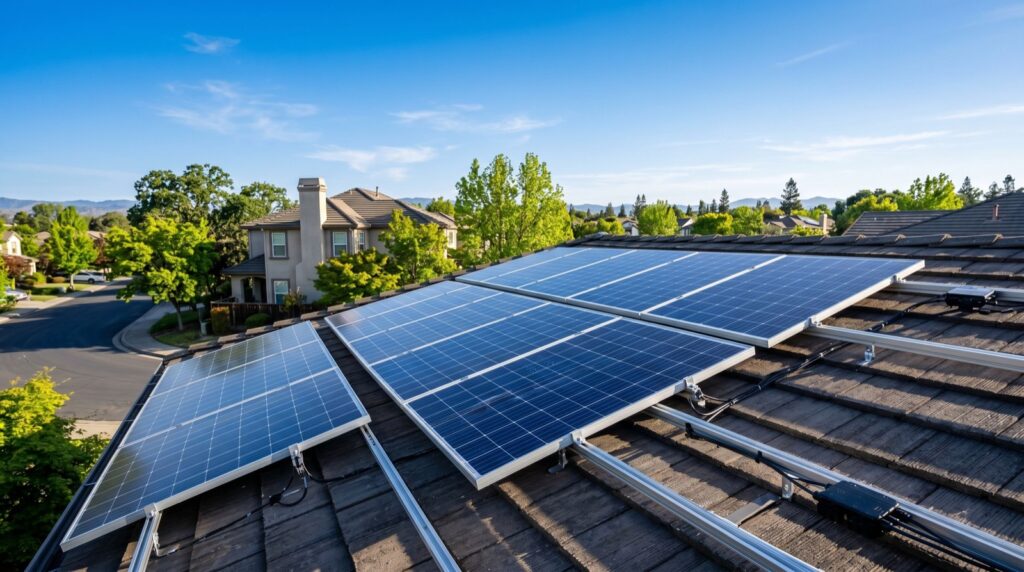
Understanding solar panel cost in Pakistan is the first step toward escaping punishing electricity bills. In 2026, a well-designed rooftop system typically pays for itself in three to five years and then delivers effectively free power for two more decades. This article breaks down the real numbers: what you pay upfront, how net metering turns your meter backward, and how quickly the investment returns.
Rather than vague promises, we will use worked examples so you can estimate your own payback before you ever call an installer.
What Drives Solar Panel Cost in Pakistan?
The price of a system is not a single sticker number. It is the sum of several components, and cutting corners on any one of them usually costs more later.
- Panels — usually mono PERC or newer N-type modules
- Inverter — grid-tie or hybrid, the brain of the system
- Mounting structure — the frame that survives wind and monsoon
- Cabling and protection — DC/AC wiring, breakers, surge protection
- Installation and net-metering paperwork — labour plus utility approval
Battery storage, if you add it for backup, is a separate and significant cost. Grid-tie systems without batteries are the most affordable route to bill savings.
Typical System Prices in 2026
The table below gives realistic ranges for grid-tie systems. Prices vary by brand, city, and installer quality, so treat these as planning figures rather than final quotes.
| System Size | Best For | Approx. Annual Bill Offset | Typical Payback |
|---|---|---|---|
| 3 kW | Small households | Most of a modest bill | 3 to 4 years |
| 5 kW | Family homes with AC | A large share of a mid bill | 3 to 5 years |
| 10 kW | Large homes, small shops | Bulk of a heavy bill | 4 to 5 years |
| 15 kW+ | Commercial premises | Major commercial savings | 4 to 6 years |
Larger systems enjoy lower cost per watt because fixed expenses like paperwork and scaffolding are spread across more capacity.
How Net Metering Multiplies Your Savings
Net metering is the policy that makes rooftop solar so attractive. When your panels produce more than you use during the day, the surplus flows to the grid and your meter records a credit. At night, you draw that credit back.
Effectively, the grid becomes your free battery. The global cost trend supports the case: the International Renewable Energy Agency reports that solar generation costs have fallen dramatically over the past decade, making self-generated power cheaper than grid electricity in most markets.
A simple payback example
- Estimate your yearly electricity spend.
- Assume solar offsets most of it once net metering is active.
- Divide the system price by those annual savings.
- The result is your payback period in years; everything after is profit.
Getting the net-metering application right is where many buyers stall. Working with reliable local experts who file these applications regularly can shave weeks off the approval timeline and prevent rejections over paperwork errors.
Factors That Change Your Real Numbers
Two identical systems can produce different returns. Watch these variables.
- Roof orientation and tilt — south-facing at the right angle maximises yield
- Shading — trees, water tanks, and parapets steal production
- Dust and cleaning — unwashed panels lose output, especially in dry regions
- Component quality — cheap inverters fail early and erase savings
City matters too. Buyers looking at a solar company in Islamabad face different roof styles and weather than those choosing a solar company in Karachi, where coastal humidity and salt demand corrosion-resistant hardware.
Financing Your System
Not everyone pays cash. Several banks now offer solar financing, and some installers arrange instalment plans. If you finance, compare the monthly instalment against your current bill; in many cases the instalment is lower than what you already pay the utility, so you save from day one.
Cash versus instalments
Paying cash yields the fastest payback and the lowest total cost. Financing spreads the burden and can still make sense if it lets you install a properly sized system now rather than an undersized one later.
Frequently Asked Questions
What is the average solar panel cost in Pakistan in 2026?
Cost depends on system size, component quality, and whether you add batteries. Grid-tie systems are the most affordable, and most homeowners recover their investment within three to five years through net-metering savings.
How does net metering reduce my electricity bill?
Surplus daytime generation is exported to the grid as credit, which you draw back at night. This lets a correctly sized system offset most or all of your monthly consumption.
Is a battery worth the extra cost?
Batteries add backup during load shedding but raise the price and lengthen payback. If your grid is stable and net metering is available, a grid-tie system without batteries returns money faster.
How long do solar panels last?
Quality panels carry performance warranties of around 25 years and often keep producing beyond that, so the vast majority of their working life is essentially free electricity after payback.
Avoiding the Most Expensive Mistakes
Buyers who regret their purchase almost always made one of a handful of avoidable errors. The most common is chasing the lowest per-watt headline price, which usually hides thin cabling, a no-name inverter, and zero after-sales support. The savings evaporate the first time the system underperforms or fails.
A second frequent mistake is undersizing to save money upfront. If your array covers only half your consumption, you still pay the utility for the rest at full tariff, and expanding later costs more than doing it right the first time. Size to your genuine annual usage, with a modest allowance for future appliances.
A quick pre-purchase sanity check
- Does the quotation list every component with model numbers?
- Is the inverter a recognised brand with a written warranty?
- Has the installer studied at least a year of your bills?
- Is the net-metering process included in the price?
- Is there a named service contact for the years ahead?
Run every quote through those five questions. The cheapest offer rarely survives the test, and the one that does is usually the one that saves you the most over the system’s life. A slightly higher upfront price with quality parts and real support almost always wins on total return.
The Bottom Line
When you map out solar panel cost in Pakistan against net-metering savings, the math is compelling in 2026: a few years of payback followed by two decades of near-free power. Size your system to your bill, insist on quality components, and file your net-metering application through experienced hands. Do that and your rooftop stops being an expense and starts being an asset that pays you back every sunny day.